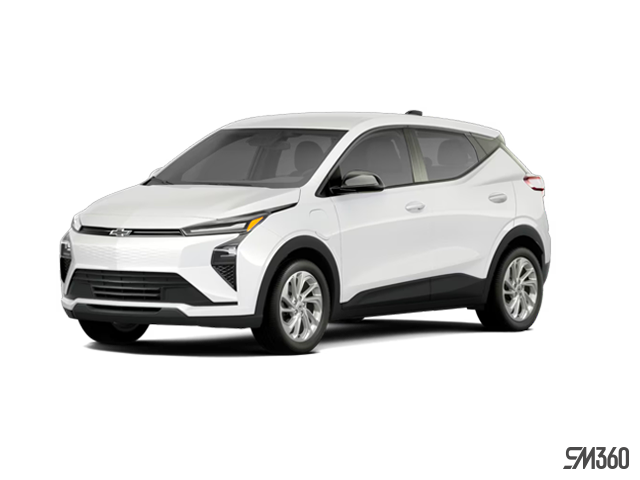
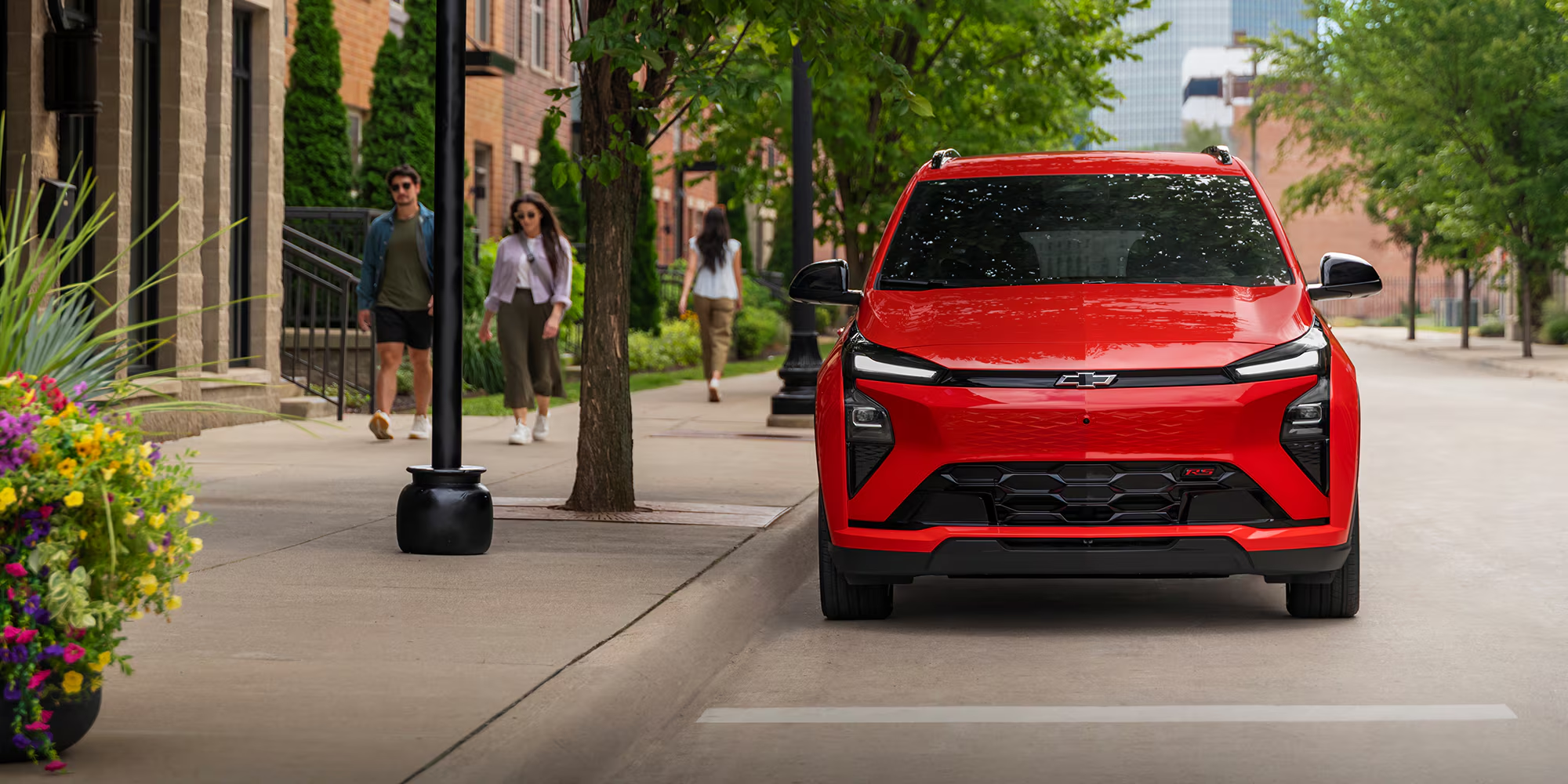
The Chevrolet Bolt returns for 2027 with a formula that is familiar in concept but substantially improved in execution. It remains a compact, practical electric vehicle, but adds longer-range usability, significantly faster DC charging, a native NACS charging port, new digital technology and an available RS model.
For buyers considering their first EV, or replacing an earlier Bolt, the most useful questions tend to focus on range, charging and day-to-day practicality.
Here are the details that matter most.
1. How far can the 2027 Chevrolet Bolt travel on one charge?
The 2027 Bolt offers up to 422 km of estimated electric range on a full battery.
That gives it enough range to cover typical daily use with considerable reserve for many drivers, while also making longer trips practical when public charging is incorporated into the route.
Actual range will vary with temperature, speed, climate-control use, driving style and other conditions.
2. What is the power output of the new Chevrolet Bolt?
The Bolt develops 210 hp.
Its electric motor drives the front wheels and provides immediate torque response without the conventional gear changes associated with an internal-combustion powertrain.
3. Is there an AWD version of the Bolt?
No. The 2027 Bolt is front-wheel drive.
Chevrolet buyers looking specifically for an electric SUV with available all-wheel drive can move to the Equinox EV.
4. What type of charging connector does the Bolt use?
The 2027 Bolt comes standard with a native NACS charging port.
This gives the vehicle direct physical compatibility with a growing NACS charging network, including compatible Tesla Superchargers.
Because the port is built directly into the vehicle, an adapter is not required when connecting to compatible NACS equipment.
5. How fast can the 2027 Bolt DC fast-charge?
The Bolt supports DC fast charging at up to 150 kW.
At a compatible 150+ kW charger and under appropriate conditions, the battery can recharge from 10% to 80% in as little as 25 minutes.
That represents charging speeds up to 2.5 times faster than the previous Bolt.
6. Can the Bolt be charged overnight at home?
Yes.
Home charging allows the vehicle to replenish its battery while it is parked, meaning many owners can begin each day with the amount of charge they need without making a separate fuelling stop.
Public DC fast charging then becomes primarily useful for longer-distance travel or situations where home charging is unavailable.
7. Should the new Bolt battery be charged to 100%?
Chevrolet recommends regularly charging the 2027 Bolt to 100% to achieve its intended overall charging performance.
That is noteworthy because EV charging recommendations can differ according to battery chemistry and vehicle design.
Owners should follow the charging recommendations provided for their specific Bolt.
8. What warranty applies to the Bolt’s high-voltage battery?
The propulsion battery is covered by an 8-year/160,000-km limited warranty, whichever comes first.
This is separate from the vehicle’s basic warranty and specifically addresses the high-voltage propulsion system.
9. How much cargo space does the Chevrolet Bolt have?
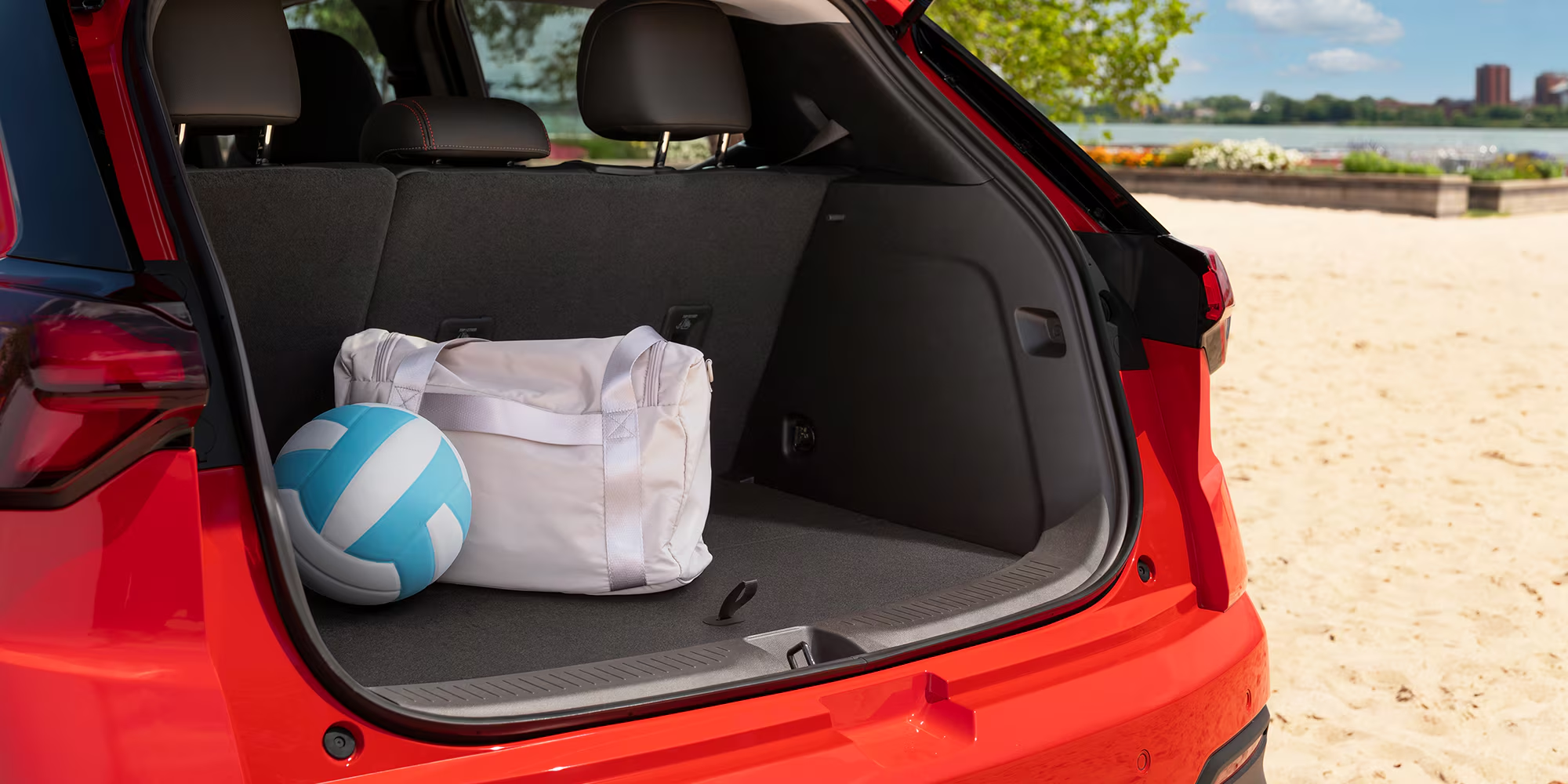
Maximum cargo volume is 1,594 litres.
There is also approximately 113 litres of storage beneath the cargo floor.
That additional compartment can be useful for charging accessories or smaller items that owners prefer to keep separated from the main cargo area.
10. How many passengers fit in the Bolt?
The Bolt seats five people.
Its tall body and hatchback configuration help make efficient use of its compact exterior footprint, providing both passenger room and flexible cargo capacity.
11. What are the two Bolt models for 2027?
The Canadian lineup consists of: LT and RS.
LT provides the essential electric powertrain, range and technology package.
RS brings a more distinctive visual treatment without changing the fundamental purpose of the vehicle.
12. What features identify a Bolt RS?
The new RS includes details such as:
- Unique grille treatment;
- RS badging;
- Gloss Black roof rails;
- 17-inch Black wheels;
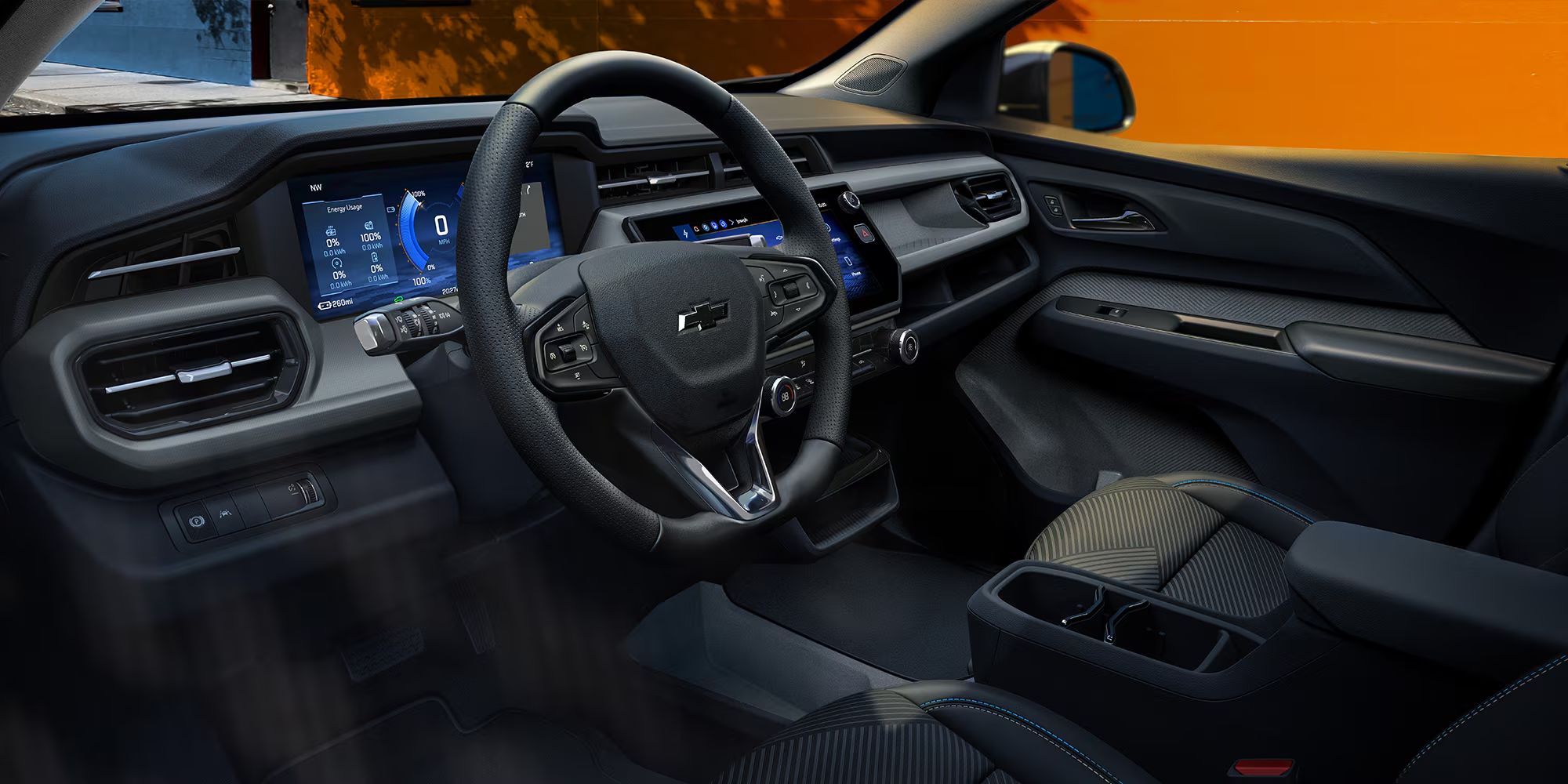
- Black Evotex seating with Red stitching;
- Multicolour ambient lighting.
It gives buyers a more expressive option while maintaining the same compact EV format.
13. How large are the screens in the 2027 Bolt?
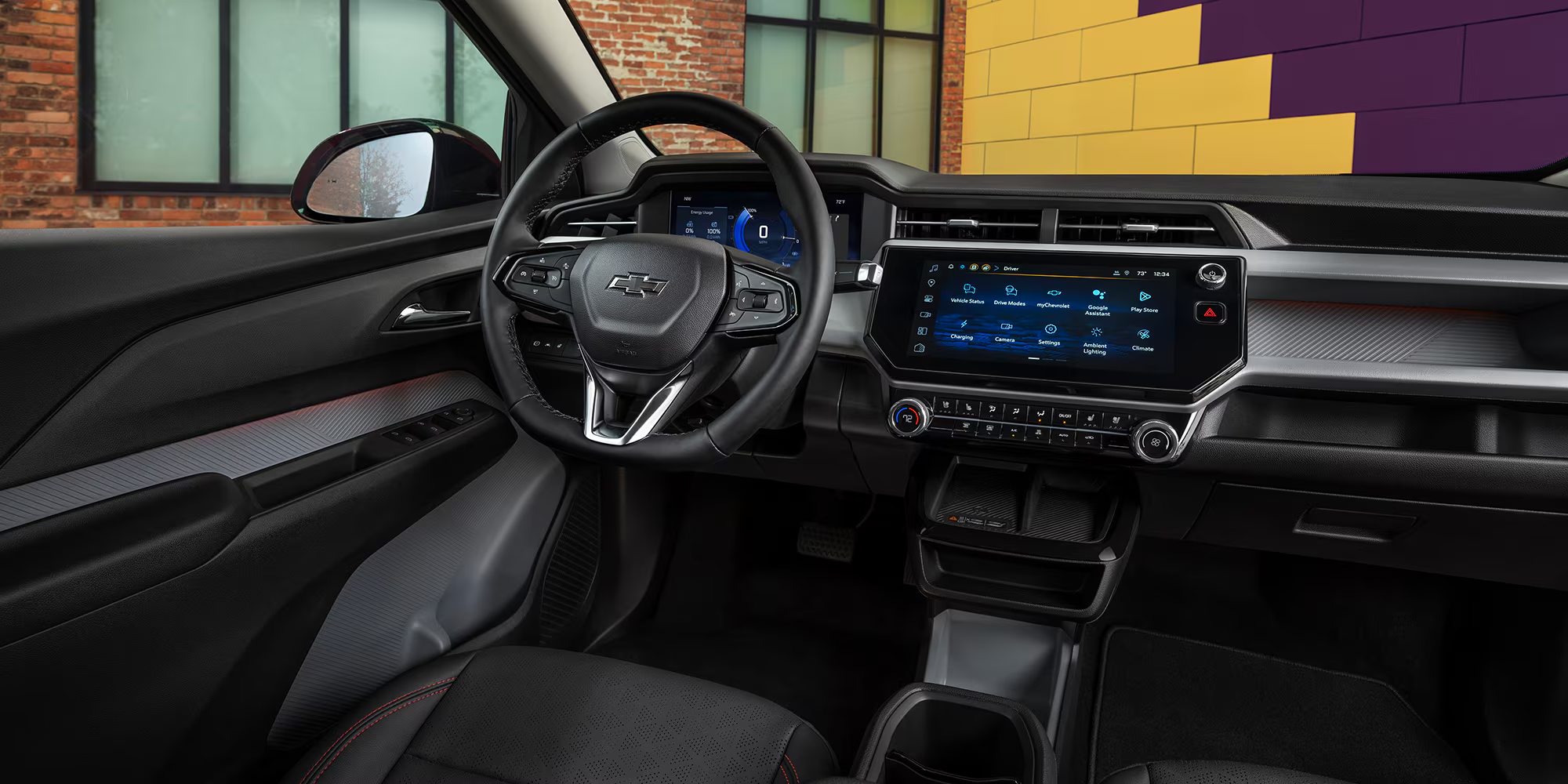
The new Bolt receives an 11.3-inch diagonal infotainment touchscreen.
In front of the driver is an 11-inch Driver Information Centre.
The digital layout is significantly more modern than that of the previous-generation Bolt and centralizes vehicle, energy and infotainment information.
14. Does the Bolt have Google Maps built into the vehicle?
Google built-in compatibility is offered.
Integrated Google Maps can assist with navigation while also providing information useful to EV drivers, including charging-related route planning.
When navigating toward a compatible DC fast charger, the vehicle can also prepare the battery for charging under appropriate conditions.
15. Is Super Cruise available on the 2027 Chevrolet Bolt?
Yes. Super Cruise hands-free driver assistance capability is available, with anticipated availability later in 2026.
On compatible roads and under supported conditions, Super Cruise can provide hands-free driver assistance while monitoring driver attention.
A subscription is required after the included trial period.
16. What safety technology comes with the Bolt?
The Bolt offers 20 standard and available safety and driver-assistance features.
Depending on equipment, technologies can include:
- HD Surround Vision;
- Rear Automatic Braking;
- Rear Cross Traffic Alert with Braking;
- Rear Pedestrian Alert.
These systems assist the driver but do not replace attentive driving.
17. What is One-Pedal Driving?
One-Pedal Driving allows the driver to control much of the vehicle’s acceleration and deceleration through the accelerator pedal.
Releasing the accelerator increases regenerative braking, slowing the vehicle while recovering energy that can be sent back to the battery.
The brake pedal remains available whenever additional stopping power is required.
18. How does winter affect Bolt range?
Cold temperatures can reduce available EV range because the battery operates differently at low temperatures and energy is required to heat the passenger compartment.
The effect varies according to outside temperature, driving conditions and climate-control use.
Preconditioning the Bolt while it is still plugged in can heat the cabin using energy from the charging source before departure, helping preserve more battery energy for driving.
19. How does the 2027 Bolt improve on the previous generation?
The new model brings several major improvements:
- Up to 422 km of estimated range;
- DC fast charging at up to 150 kW;
- 10% to 80% charging in as little as 25 minutes;
- Native NACS charging port;
- Redesigned digital interior;
- Available Super Cruise;
- New RS model.
The result preserves the Bolt’s compact dimensions and practical five-door layout while addressing two of the most important EV considerations: driving range and fast-charging speed.
20. Is the 2027 Bolt designed only for city driving?
No.
Its compact dimensions are clearly useful in urban environments, but 422 km of estimated range and substantially faster DC charging broaden its role.
The Bolt can serve as a daily commuter, household vehicle or longer-distance EV, depending on the owner’s charging access and travel habits.
That wider range of uses is one of the most important improvements in the returning model.